
A good used tube amp purchase starts with a model, condition, and total likely cost you can verify. A low asking price is less attractive if a fault, unsuitable cabinet, missing service history, or difficult return will make the purchase expensive to resolve.
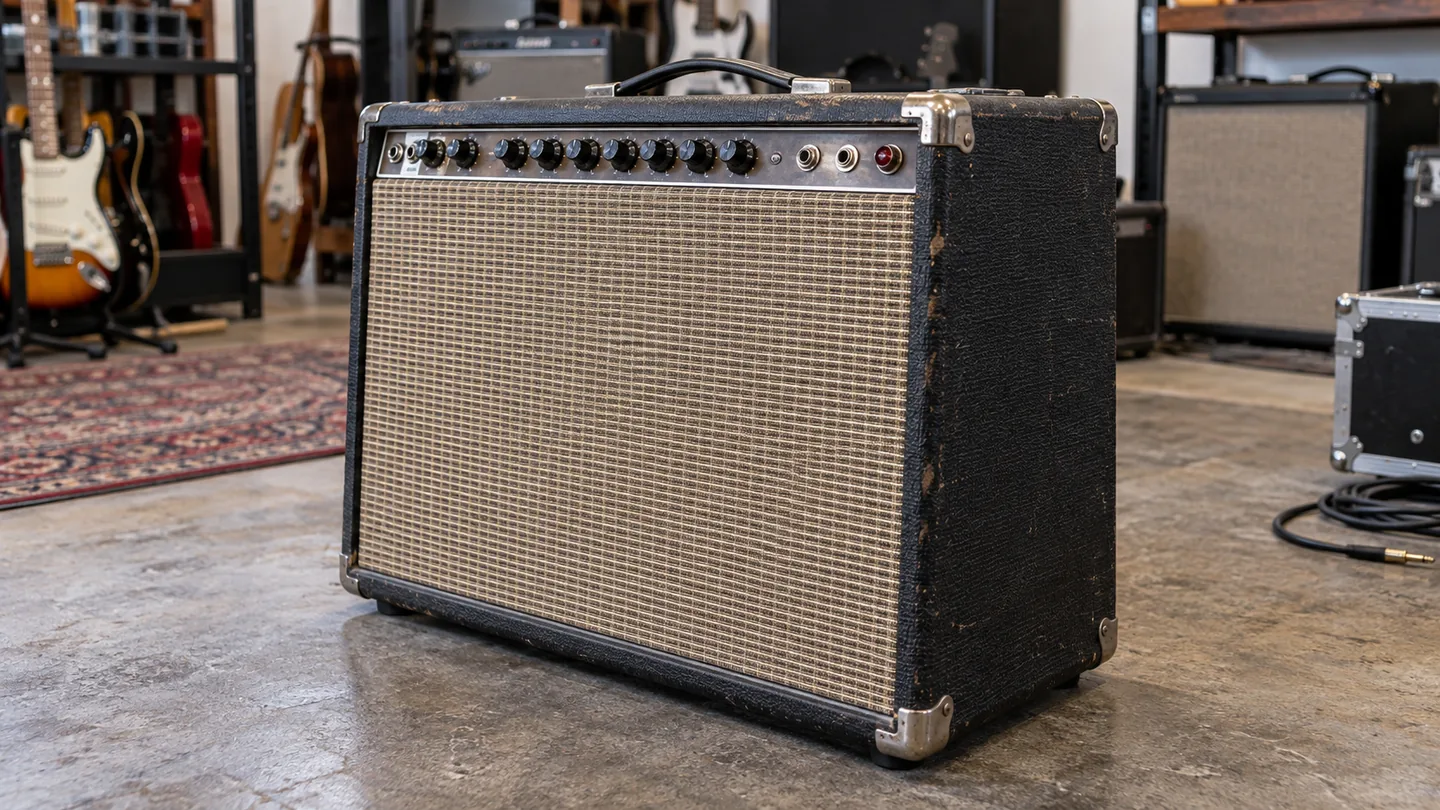
Illustrative image; not a photograph of a specific product.
Ask for evidence before you travel or pay
One Reddit buyer considered a used Guitar Center amp without seeing it in person. The replies warned that retailer descriptions may not match physical condition and discussed the retailer’s return process. An older Facebook Marketplace discussion about an Orange Dual Terror 30 asked how to judge usage and condition; comments recommended hearing the amp and testing its controls. The practical lesson is to move from vague condition labels to a short, repeatable evidence request.
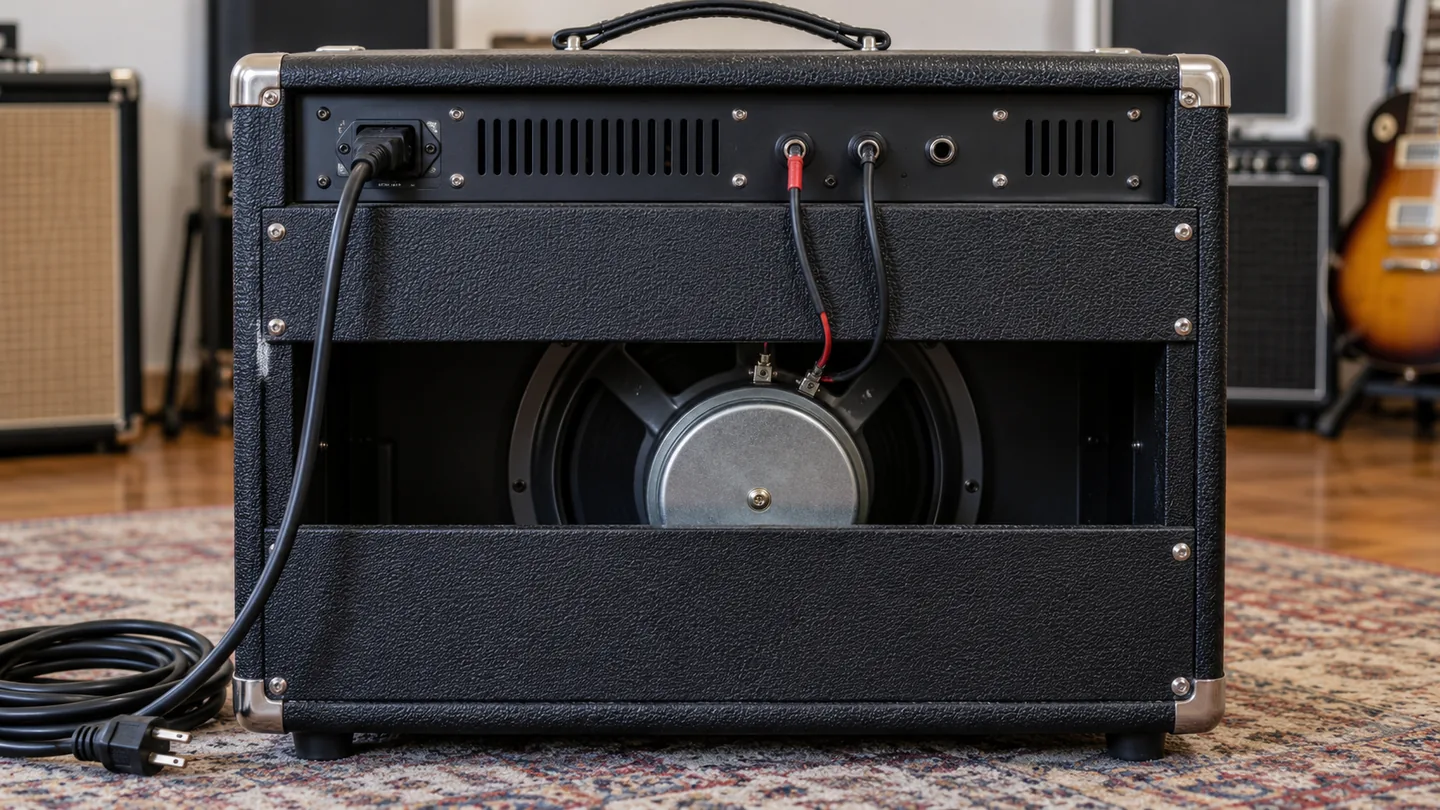
Ask for clear photos of the front, back, model/serial label, controls, power cord, speaker sockets, cabinet, and any visible damage. Ask whether the amplifier is original or modified, when it was last professionally serviced, whether all channels and controls work, and what is included. Request a short video at low and moderate volume with the maker-approved speaker load connected. A video can reveal a fault, but clean audio cannot establish electrical condition or remaining tube life. Do not request that an untrained seller open the chassis.
Inspect the complete purchase
| Item | Buyer decision |
|---|---|
| Exact model and manual | Does it have the channels, load outputs, and features you need? |
| Normal operation | Are there unexpected cut-outs, loud hum, smell, or visible distress? |
| Tube and service history | What is documented, and what remains unknown? |
| Cabinet compatibility | Can you use your current speaker setup as the manual allows? |
| Transport and returns | What is the current written return window, shipping responsibility, and damage-claim process for this sale? |
| Repair allowance | Can you still afford the amp if an independent inspection finds a fault? |
Use Fender’s manual index or the relevant manufacturer’s support page to verify the exact model’s features rather than relying on a listing. If a seller says a power-tube change does not need bias checking, verify that statement for the model; Marshall’s JVM410 Combo support page explicitly requires biasing its replacement power valves. That example does not set the procedure for other amplifiers.
For a non-invasive sequence when a used amp hums during a demo, see our tube amp hum triage guide.
When to walk away
Pause when the model label is missing, the seller cannot demonstrate normal use, the unit has abnormal heat or smell, or the cost of likely inspection and shipping erases the saving. If you cannot test in person, check the seller’s current written return terms for that exact listing before paying; forum accounts of an earlier policy are not a promise for your transaction. Budget for professional evaluation when the unit’s electrical history is unknown. Fender’s amplifier support guidance says its amps typically are not user-serviceable and may require an authorized technician. Follow the exact model manual and leave chassis inspection to a qualified professional.