
Use the output tap and cabinet load specified by your exact amplifier manual. Do not apply a generic rule that every one-step impedance mismatch is safe. Different output transformers and manufacturers permit different configurations, and a load box introduces its own limits.
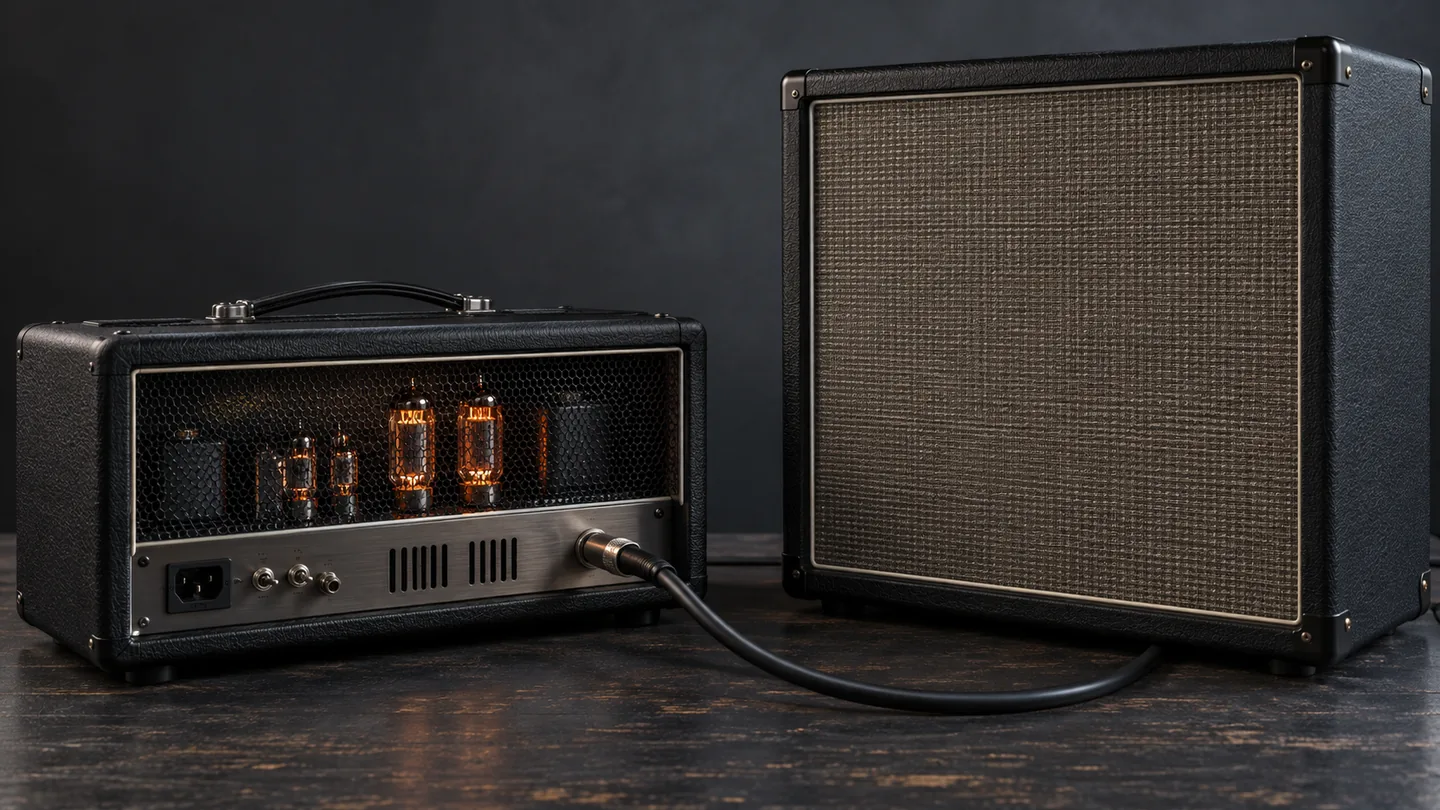
Illustrative image; not a photograph of a specific product.
Why a single Reddit answer is insufficient
A new tube-amp owner asked whether 16-ohm cabinets could be used with a head offering 4- and 8-ohm outputs. A reply found a model-specific Mesa manual that addressed the question. A different owner with a Fender ’57 Custom Champ had a 4-ohm output and wanted one 8-ohm load device for that amp and a Vox AC15. These are not interchangeable cases: the model, tap, cabinet wiring, and load device matter.
Make the match in this order
- Identify the exact amplifier model and revision. Find its speaker-output instructions, including rules for multiple cabinets.
- Read the cabinet’s rated impedance and wiring mode. Stereo and mono sockets may present different loads.
- If using two cabinets, use the amplifier and cabinet makers’ connection diagrams to determine the combined load. Two cabinets with the same printed impedance can present a different total load depending on how the jacks are wired; do not add the labels directly.
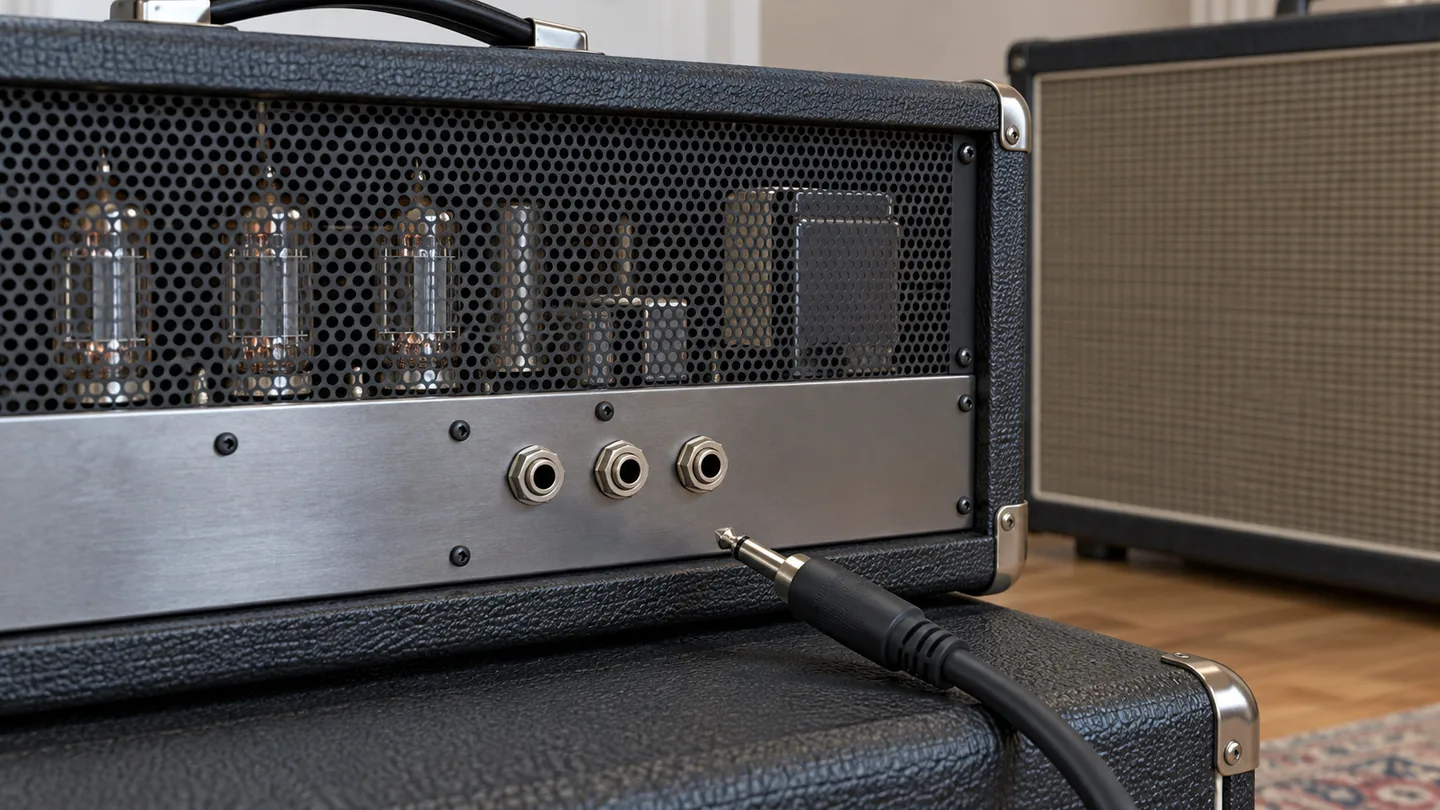
- With the amplifier off, select only a configuration the amplifier maker permits. Use a speaker cable and confirm the speaker or approved load is connected before operation.
- For an attenuator or load box, check its own impedance and power limits separately.
Marshall’s DSL20 Combo specification lists speaker outputs for 16-ohm and 8-ohm loads on that model. Two Notes’ load-box instructions call for matching the load box to the corresponding amplifier output. Neither source licenses an undocumented mismatch on another amplifier. An emulated line out is also not a speaker-output tap; identify the jack from the manual before connecting a cabinet or load box. For broader background on sensitivity and load checks, see our tube amp speaker matching guide.
What about speaker power rating?
Impedance and power handling are separate checks. A cabinet may present the correct impedance yet have speakers with an unsuitable power rating for the intended use. Celestion’s A-Type specification lists rated impedance, sensitivity, and power handling separately; use the same categories when comparing your cabinet.
If your only cabinet does not match any supported configuration, wait for a compatible cabinet or ask the amplifier manufacturer or a qualified technician about the exact setup. A forum anecdote is useful for discovering the question, but the model-specific manual decides the connection.