
Are you tired of staring at inflated price tags and wondering if you’re being ripped off? Finding a high-quality replacement for your amp shouldn’t feel like a high-stakes gamble. Whether you’re a musician hunting for that specific guitar head, a car audio enthusiast, or a luxury vehicle owner facing a massive quote for a proprietary Audi or BMW module, you already know the struggle: the “middleman markup” is real.
This is your definitive Insider’s Map. We’ve stripped away the marketing fluff to bring you a curated guide on exactly where to buy without the retail tax. We’ll break down the critical OEM vs. aftermarket debate, reveal the secret wholesale sources professionals use, and provide foolproof strategies to verify authenticity. Stop overpaying and start shopping smarter—here is your shortcut to securing a premium replacement for less.
Related Reading: where to get a replacement
Decoding the “Amp”: Identifying Which Replacement Category You Actually Need
Before you hunt for “insider” pricing, you must first pinpoint the exact category of amplification your situation demands. The term “amp” is a linguistic catch-all that covers everything from a $40 PCB component to a $3,000 fiber-optic vehicle module. Misidentifying your category is the fastest way to fall into the “convenience markup” trap.
1. Specialized OEM Automotive Modules
If you drive a luxury brand like BMW, Audi, or Land Rover and your sound has cut out entirely, you aren’t looking for a generic amplifier; you are looking for a proprietary Integrated Power Module or a DSP (Digital Signal Processor) unit. These often utilize MOST-bus (fiber optic) technology. To avoid the 400% dealership markup, you must identify the exact manufacturer part number located on the unit’s silver sticker. In this category, “replacement” often means “refurbished exchange” rather than “new retail.”
2. Aftermarket Car Audio
If your custom-installed sound system has failed, you are in the market for a universal Class D or Class A/B amplifier. Your search parameters should focus on RMS wattage and channel count (Mono for subs, 4-channel for speakers). The “insider” move here is matching your replacement to the existing wiring gauge and fuse rating to avoid a secondary electrical overhaul.
3. Pro Audio and Musical Instrument Amps
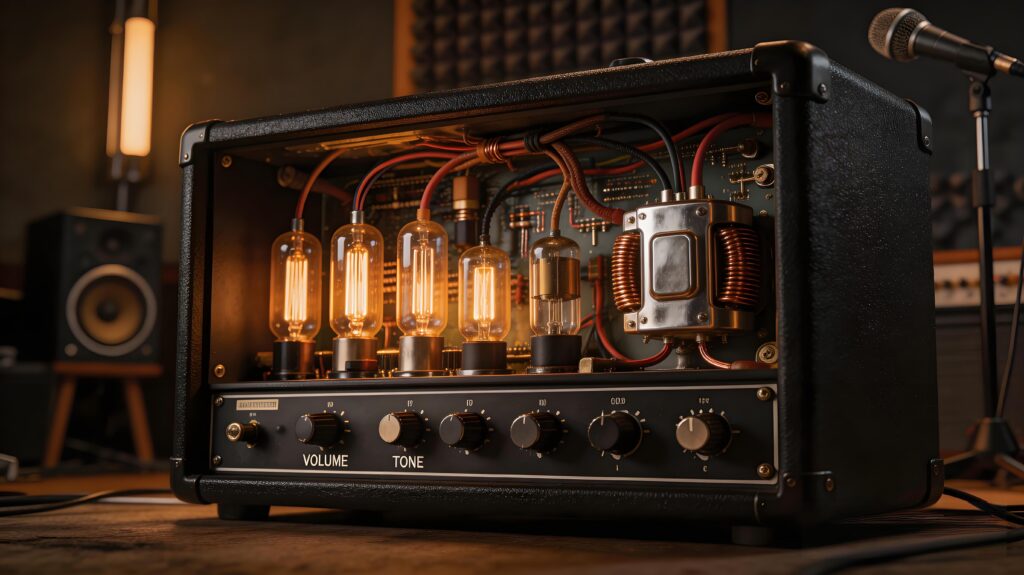
For guitarists or audiophiles, an “amp” is a tonal centerpiece. Are you replacing a “head” (the circuitry) or a “combo” (circuitry plus speakers)? If it’s a tube-driven unit, your “replacement” might actually just be a fresh set of matched vacuum tubes—a $100 fix compared to a $1,200 hardware replacement.
Identifying which “map” you are on—OEM, Aftermarket, or Pro Audio—is the essential first step to bypassing retail gatekeepers and finding the wholesale source.
Sourcing OEM Vehicle Amp Modules Without the Dealership Markup (Audi, BMW, and Luxury Brands)
When your Audi’s MMI goes silent or your BMW’s Harman Kardon system begins to crackle, the dealership’s quote—often north of $2,000—can feel like a ransom. To bypass this markup, your strategy must pivot from searching by vehicle model to searching by the Original Equipment (OE) Manufacturer Part Number. Luxury automakers do not manufacture their own amplifiers; they source them from Tier 1 suppliers like Lear, Bose, or Bang & Olufsen.
The “Insider’s Map” to these modules begins with Car-Part.com, a massive aggregator of professional salvage inventories. Unlike general marketplaces, this database allows you to filter by specific donor vehicles that match your VIN’s audio package. However, for those seeking a middle ground between “used” and “new,” the gold standard is sourcing from specialized refurbishers like United Radio or Paulison Corp. These outfits offer bench-tested, remanufactured modules that often include a 1-year warranty—significantly outperforming the 90-day “tail-light warranty” typical of local scrap yards.
To ensure authenticity and compatibility, you must verify the HW (Hardware) and SW (Software) revision numbers printed on the unit’s sticker. In the world of MOST (Media Oriented Systems Transport) fiber-optic loops used in luxury brands, a slight mismatch in software versions can trigger “Component Protection” lockouts. This digital anti-theft measure can render a perfectly functional amp useless unless you pay a dealer to “unlock” it. To truly avoid the markup, prioritize vendors who offer pre-coded units or “cloning” services, where they mirror the data from your dead amp onto a replacement, ensuring a seamless plug-and-play installation.
The Best Online Powerhouses for High-Performance Aftermarket Car Audio Replacements
When your goal transitions from a basic repair to a performance upgrade, the aftermarket landscape offers a significantly higher “value-per-watt” ratio than OEM replacements. However, avoiding the “markup” requires knowing which digital powerhouses provide the best balance of technical support, authorized status, and aggressive pricing.
For the definitive insider experience, Crutchfield remains the industry benchmark. While their base prices often mirror MSRP, the “insider” value lies in their proprietary MasterSheet instructions and discounted installation gear. By bundling a replacement amp with vehicle-specific wiring harnesses, you effectively eliminate the $100+ “labor markup” associated with professional shops.
If your primary objective is raw power at a wholesale price point, Sonic Electronix and WooferEct are the go-to sources for high-output brands like Rockford Fosgate, JL Audio, and NVX. These vendors frequently offer “B-Stock” or “Open Box” units—these are the holy grail for those looking to dodge the retail markup. A B-Stock amplifier is often a simple floor model or a customer return that has been factory-certified; it carries the same performance specs as a new unit but often features a 15–30% price reduction.
Crucially, you must verify the Authorized Dealer status. Sites like Amazon and eBay are flooded with “gray market” amplifiers. While the initial price tag looks enticing, these units lack manufacturer warranties. To secure the best “markup-free” deal without the risk, look for vendors that offer “Price Matching” against other authorized retailers. This ensures you get the lowest possible market rate while retaining the protection of a full factory warranty—an essential move when investing in high-current electronics.
Where to Secure Authentic Guitar and Bass Amp Replacements for Stage and Studio
For musicians and producers, securing a replacement guitar or bass amp requires a surgical approach to distinguish between retail fluff and stage-ready reliability. To bypass the standard 30% retail markup, your strategy should pivot from big-box showrooms to Authorized Service Centers and B-Stock inventories. Major distributors like Sweetwater or Thomann often list “open-box” or “demo” units—these are technically replacements for new stock that carry full warranties but are priced significantly lower because the factory seal was broken.
When the goal is maintaining the sonic signature of a vintage or high-end head (like a Mesa Boogie or Friedman), authenticity is verified through the “gut shots.” Before purchasing, demand photos of the transformers and PCB; genuine OEM replacements will feature brand-specific transformer codes (e.g., Schumacher or Mercury Magnetics). For those sourcing internal components rather than entire units, Antique Electronic Supply and Mojotone are the industry standards for OEM-spec parts, offering a direct path to professional components without the “boutique” surcharge found on consumer-facing sites.
To master the “insider” price, leverage Reverb’s Price Guide to analyze real-time market fluctuations. This data allows you to spot “Price Drops” on mint-condition replacements that professionals are cycling out for tax-write-off upgrades. If you are a working pro, bypass the checkout cart and contact a Pro Audio account manager directly; they have the discretionary power to offer “street prices” that sit well below the Minimum Advertised Price (MAP) shown to the general public. This dual-track approach—securing B-stock for hardware and specialty vendors for components—ensures your rig returns to the stage without the financial sting of a standard retail acquisition.
Accessing the “Amp” AI Coding Agent: Official Links and Installation Sources
While our previous chapters focused on the heavy-duty hardware of vehicle modules and stage equipment, the modern search for an “Amp” replacement often leads developers to the digital frontier: the Amp AI Coding Agent. In the software world, “avoiding the markup” means bypassing bloated enterprise SaaS bundles and third-party resellers who add zero value to the underlying LLM (Large Language Model) performance.
To secure the genuine Amp agent at the “insider” rate, your first stop should always be the official GitHub repository or the dedicated developer portal (e.g., amp.ai or associated extension marketplaces). For most users, the most cost-effective installation method is via the VS Code Marketplace or the JetBrains Plugin Repository. By installing the extension directly into your IDE, you eliminate the overhead of middleman platforms that charge a premium for a “managed” interface you don’t actually need.
To verify authenticity and ensure you aren’t downloading a “markup” clone or a compromised fork, check for the Verified Publisher badge in the extension store and cross-reference the SHA-256 checksums provided on the official documentation page. If you are looking for wholesale-level pricing for a team, look for “Bring Your Own Key” (BYOK) options. This allows you to connect the Amp agent directly to your own OpenAI or Anthropic API keys. This strategy is the ultimate “insider map” move; it allows you to pay exactly for the compute you use at cost, rather than paying a flat-rate monthly subscription markup that often exceeds actual usage by 40% or more. Always prioritize the CLI (Command Line Interface) installation for the most lightweight, “pure” version of the tool, ensuring your environment remains high-performance without the bloatware.
Hidden Gems: Using Specialized Remanufacturers and Salvage Yards for Massive Savings
When the “dealership tax” or high-end retail pricing feels insurmountable, the savvy buyer turns to the secondary market—not just used, but vetted. For owners of luxury vehicles like BMW, Audi, or Lexus, a failed logic board in a Bose or Harman Kardon amp doesn’t necessitate a $2,000 factory replacement. Specialized remanufacturers, such as United Radio or MyAirbags, offer “repair and return” services or pre-rebuilt modules that specifically address known factory solder defects. This often results in a unit that is more durable than the original OEM part because the “re-manufacturing” process fixes the systemic flaws the factory ignored.
If you prefer the “hunt,” specialized salvage networks like LKQ or Car-Part.com are your strongest allies. Unlike local “u-pull-it” lots, these digitized inventories allow you to filter by specific VIN and option codes (such as the “Bang & Olufsen” or “Burmester” trim levels), ensuring 100% compatibility before you commit. You can frequently secure a functional OEM module for 30–50% of its MSRP.
For the musical instrument community, the “salvage” approach translates to boutique component rebuilders who source vintage-spec transformers and chassis from decommissioned equipment. This allows you to replace a blown output transformer with high-grade, period-correct iron that a standard music store simply doesn’t stock.
Pro Strategy: When sourcing from remanufacturers, always check for a “Core Charge” policy. Many sellers will buy your dead amp back for $50–$150 to use for parts, further offsetting your total investment. Before purchasing, confirm the seller offers a minimum 90-day warranty—a hallmark of a reputable hidden gem versus a risky gamble.
The Insider’s Guide to Verifying Authenticity and Avoiding Counterfeit Hardware
When chasing “insider” prices, the line between a legitimate wholesale deal and a sophisticated counterfeit can become dangerously thin. For high-ticket items like luxury vehicle modules or high-fidelity guitar amplifiers, the risk of purchasing a “clone” masquerading as OEM is high. To protect your investment, you must move beyond the price tag and scrutinize the hardware’s DNA.
Start with the physical architecture. Genuine OEM amp modules typically utilize high-grade cast aluminum heat sinks and precision-engineered mounting points. Counterfeits often cut costs by using lighter, stamped metal or poorly finished plastic housings. Examine the silkscreening and typography on the external casing; legitimate manufacturers use high-resolution laser etching, whereas fakes often exhibit blurred lines, slight font inconsistencies, or stickers that are not perfectly centered.
Next, leverage digital and serial validation. Most premium brands now embed holographic seals with unique QR codes that link directly to a manufacturer’s verification database. For internal verification, if you are comfortable opening the unit (and it doesn’t void a return policy), check the PCB (Printed Circuit Board). Authentic units feature clean solder points and branded capacitors (e.g., Nichicon or Wima), while clones often use generic, “no-name” components.
Finally, understand the “Too Good to Be True” threshold. While the goal is to avoid the 300% dealership markup, a price 70% below the lowest reputable wholesaler is a red flag for “Grey Market” or counterfeit goods. Always verify the seller’s status; an Authorized Distributor or a highly-rated specialized remanufacturer will provide a verifiable warranty and a Certificate of Authenticity (COA). Distinguishing a legitimate “aftermarket” alternative from a fraudulent “counterfeit” is the ultimate step in securing a high-performance replacement without compromising your system’s integrity.
The Aftermarket Bypass Strategy: When to Repair, Replace, or Upgrade Your System
Navigating the “Aftermarket Bypass” requires a calculated look at the longevity of your original system versus the innovation of modern alternatives. For luxury vehicle modules (such as those in Audi or BMW), the decision to replace often hinges on known design flaws. If your factory amp failed due to poor thermal management or moisture vulnerability, sourcing an identical OEM unit—even at a discount—is often just a countdown to the next failure. In this scenario, the superior strategy is to utilize a bypass harness to integrate a high-efficiency Class-D aftermarket amplifier. This allows you to retain factory head-unit functionality while gaining superior power handling and DSP control for roughly 60% of the dealership’s component cost.
In the realm of guitar and studio amplification, the “Repair vs. Replace” math changes based on the hardware’s architecture. For vintage tube amps, component-level repair (replacing capacitors, transformers, or valves) is essential to preserve the unit’s resale value and “mojo.” Replacing these with a modern unit would be a financial downgrade. However, for modern solid-state or modeling amps, the labor costs of specialized circuitry repair often exceed the price of a more powerful, feature-rich aftermarket replacement.
The “Bypass Strategy” is ultimately about identifying the “Point of Diminishing Returns.” You should only stick with an OEM replacement when proprietary fiber-optic integration (like MOST bus systems) makes aftermarket translation prohibitively expensive. In almost all other cases—whether car audio or stage gear—moving to a reputable aftermarket brand doesn’t just eliminate the “brand markup”; it provides an intentional upgrade in signal-to-noise ratio and power efficiency that the original manufacturer likely sacrificed to meet a production budget.
Where to Find Local Professional Expertise vs. Navigating Global E-Commerce Marketplaces
Choosing between a local specialist and a global marketplace is more than a price comparison; it is a strategic decision between immediate technical accountability and raw cost efficiency. For high-stakes replacements—such as the fiber-optic MOST bus amplifiers found in BMWs or Audi’s—the local route offers an indispensable advantage: on-site VIN coding and diagnostic verification. A global e-commerce seller may offer the lowest bottom-line price, but they cannot ensure your vehicle’s infotainment system recognizes the hardware upon installation. If you are sourcing a replacement for a specialized vehicle module, prioritize local “indie” shops that specialize in German electronics or high-end car audio; their ability to perform a bench test before you leave the shop often justifies the modest premium over a blind online purchase.
Conversely, global marketplaces like Reverb (for musicians) or specialized aftermarket aggregators (for car audio) excel when you are hunting for “insider” pricing on standardized hardware. If you are replacing a stage-ready guitar head or a universal mono-block car amp, the global marketplace provides a transparent view of the actual market value, effectively bypassing the 30–50% markup often found in boutique retail showrooms. However, the caveat is the “Grey Market” risk. When navigating global platforms, your focus must shift to seller ratings and “New Old Stock” (NOS) authenticity.
The insider’s rule of thumb is simple: Use global marketplaces for plug-and-play hardware where the manufacturer’s warranty is transferable or the savings exceed the cost of a potential return. Lean on local expertise when the “amp” in question requires specialized calibration, proprietary firmware, or hands-on acoustic tuning. By bifurcating your search based on the complexity of the installation rather than just the sticker price, you secure a replacement that works the first time without the dealership tax.
Strategic Comparison: Comparing Wholesale Direct Prices vs. Retail Consumer Costs
To master the “Insider’s Map,” you must navigate the significant price delta between retail showrooms and wholesale distribution channels. Retail consumer costs for replacement amps—whether a Harman Kardon module for a BMW or a high-gain boutique tube head—typically include a 30% to 50% “convenience tax.” This markup covers a vendor’s physical overhead, marketing, and simplified return logistics. When you pay $1,500 at a dealership for an OEM amp that lists for $700 at a specialized component distributor, you are paying for the middleman’s inventory risk, not superior hardware.
In the luxury automotive sector, the contrast is stark. A replacement MIB2 unit might retail for $2,400 at a dealer, while “New Old Stock” (NOS) or direct-from-factory liquidators offer the identical part for under $900. For guitarists and pro-audio users, the comparison shifts toward component-level sourcing. Buying a replacement PCB or transformer through a standard retail repair shop includes a labor and parts markup; however, sourcing directly from industrial suppliers like CE Distribution or Mojotone allows you to secure wholesale-adjacent pricing if you can bypass the “consumer-only” storefronts.
The strategic “sweet spot” for the savvy buyer is the Authorized Liquidator. These entities bridge the gap, offering B-stock, open-box, or overstock inventory at 20% above wholesale but 40% below retail. By choosing these channels, you maintain a level of buyer protection and warranty coverage that is often absent in pure wholesale “grey market” transactions, effectively securing the lowest possible price point without sacrificing the authenticity of the hardware.
The Checklist for Securing Insider Pricing and Long-Term Warranty Protection
To bridge the gap between “finding” a replacement and “owning” it at a professional rate, you must move beyond the listed MSRP. Securing insider pricing is less about luck and more about leveraging specific procurement protocols.
First, verify Authorized Dealer Status. Whether you are purchasing a replacement Audi MMI amp or a boutique tube guitar head, buying from an unauthorized “grey market” seller often voids the manufacturer’s warranty instantly. To get insider rates without sacrificing protection, always inquire about “B-Stock” or “Factory Refurbished” units. These are often items with minor cosmetic flaws or returned un-opened boxes that carry the same full factory warranty as “A-Stock” but at a 15–30% discount.
Next, follow this Strategic Procurement Checklist:
* The MAP Loophole: Ask the vendor for their “lowest out-the-door price” via phone or private chat. Manufacturers often set a Minimum Advertised Price (MAP) for public listings, but retailers are frequently permitted to sell for less if the price isn’t published.
* Serial Number Validation: Before the return window closes, run the serial number through the manufacturer’s database. If it’s a replacement module for a luxury vehicle, ensure the firmware version matches your VIN requirements to avoid hidden re-coding fees.
* Extended Protection via Credit Card: Pay with a premium credit card that offers automatic one-year warranty extensions. This provides a “no-cost” safety net beyond the retailer’s policy.
* Professional Tier Inquiry: If you are a technician or a frequent gigging musician, ask for “Pro-Tier” pricing. Many distributors have unlisted discount brackets for recurring buyers or industry professionals.
By ticking these boxes, you ensure that “no markup” doesn’t mean “no protection,” securing a high-performance replacement that is warrantied for the long haul.
Have questions or your own tips to share? Drop a comment below!